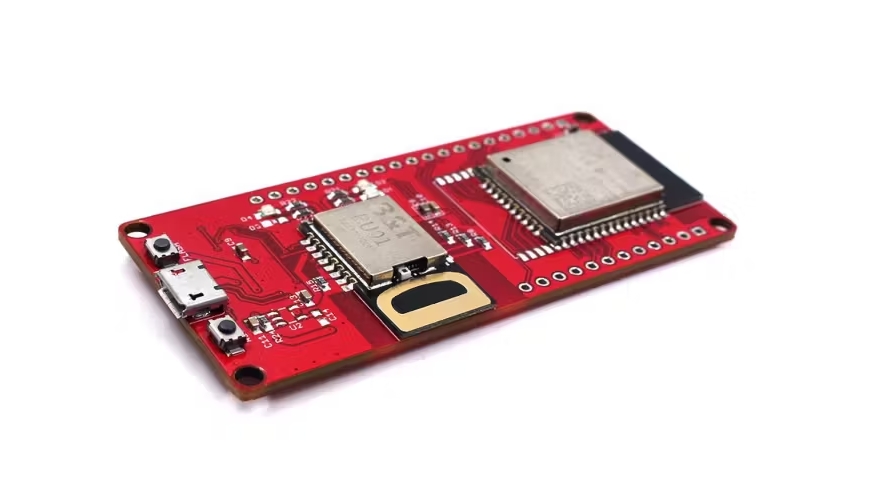
Long-range IoT systems operate in environments where distance, obstacles, and power efficiency matter. Agriculture fields, industrial parks, logistics yards, and smart cities all demand reliable wireless coverage. Engineers must balance range, data rate, network size, and energy consumption when selecting a Zigbee Module or alternative RF technology. A poor wireless choice increases maintenance costs and shortens system lifespan. Today, Zigbee-based solutions and Sub-GHz RF technologies dominate discussions of long-range IoT. Each approach serves distinct deployment needs. Understanding their strengths helps teams design stable, scalable, and cost-effective IoT networks.
Frequency Characteristics and Signal Propagation
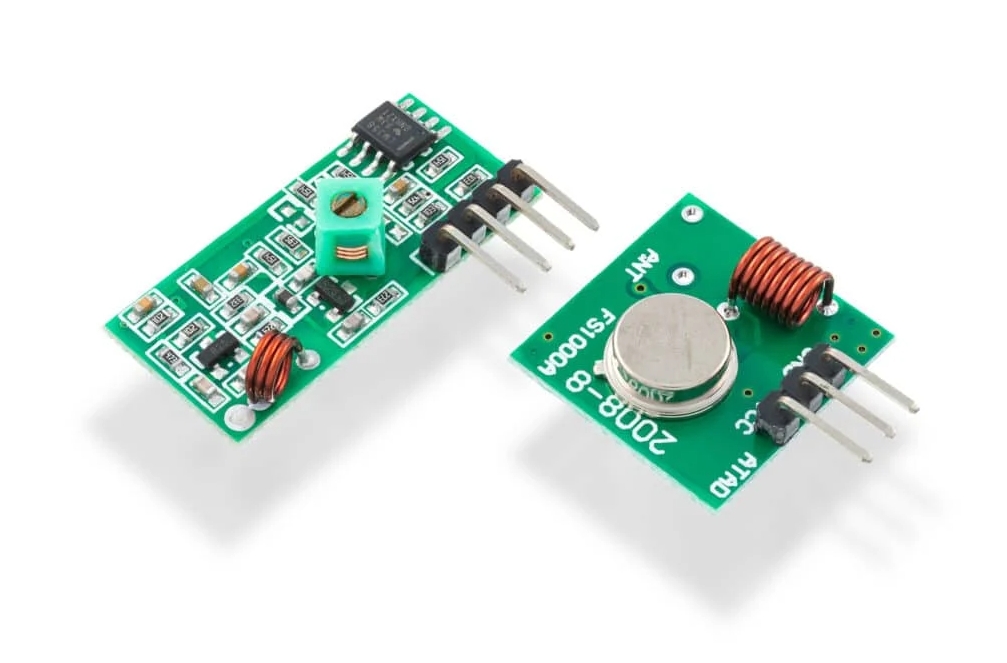
Frequency selection directly affects range and penetration. Zigbee typically operates at 2.4 GHz. This band supports global use and compact antennas. However, higher frequencies attenuate faster through walls, vegetation, and metal structures. Sub-GHz RF operates below 1 GHz, often at 433 MHz, 868 MHz, or 915 MHz. These lower frequencies travel farther and penetrate obstacles better. Field tests consistently show that Sub-GHz signals achieve two to five times the range of 2.4 GHz signals at similar power levels.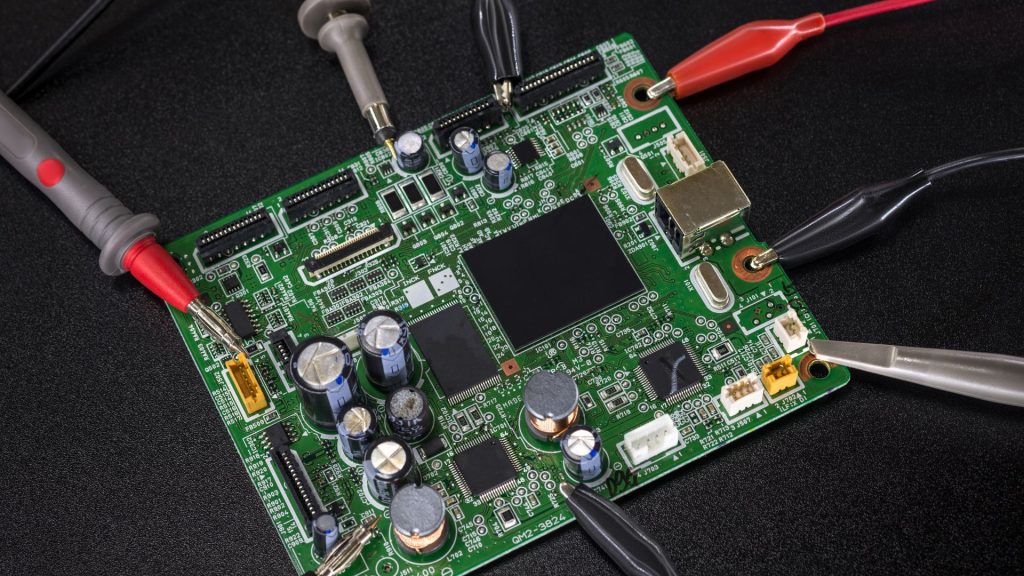
Network Topology and Scalability
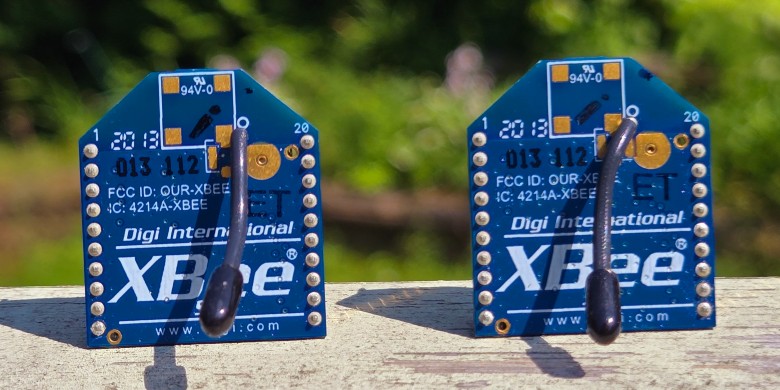
Zigbee networks rely on a mesh topology. Devices forward data to each other. This design increases coverage without high transmit power. It works well in buildings and campuses. However, mesh routing increases latency and network complexity. Sub-GHz RF systems often use star or tree topologies. End nodes communicate directly with gateways. This simplifies network management and reduces firmware complexity. Large outdoor deployments usually prefer fewer hops and predictable routing paths.
Power Consumption and Battery Life
Battery life defines long-term operating cost. Zigbee devices consume low power during sleep states. However, routing nodes stay active to relay packets. This shortens battery life for some devices. Sub-GHz RF nodes often transmit at lower data rates but over longer distances. They can remain asleep longer between transmissions. Many agricultural sensors operate for five to ten years on a single battery using Sub-GHz protocols. This advantage matters in remote or hard-to-access installations.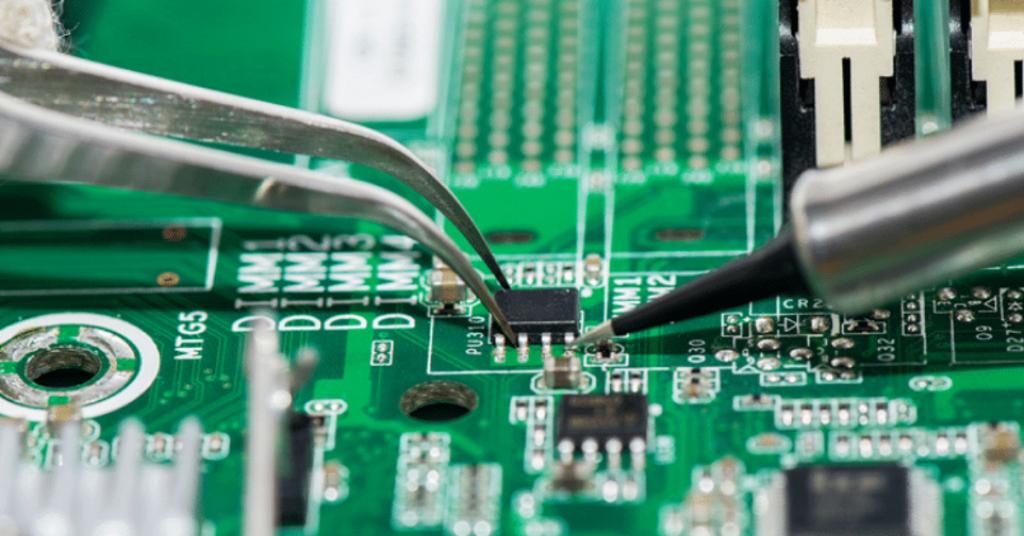
Data Rate and Latency Considerations
Zigbee supports higher data rates, typically up to 250 kbps. This suits lighting control, automation, and sensor networks with frequent updates. Sub-GHz RF is optimized for low data throughput. Typical rates range from several kbps to tens of kbps. This limitation suits telemetry, environmental monitoring, and alarm systems. If applications require firmware updates or frequent messaging, Zigbee performs better. If messages are small and infrequent, Sub-GHz RF excels.
Regulatory and Regional Deployment Factors
Regulatory rules influence design choices. The 2.4 GHz band allows global deployment with minimal changes. This simplifies international product launches. Sub-GHz bands vary by region. Europe uses 868 MHz. North America uses 915 MHz. Asia includes several allocations. Manufacturers must design region-specific SKUs or software configurations. Despite this complexity, many accept it for improved range and reliability. Careful planning avoids compliance issues and redesign costs.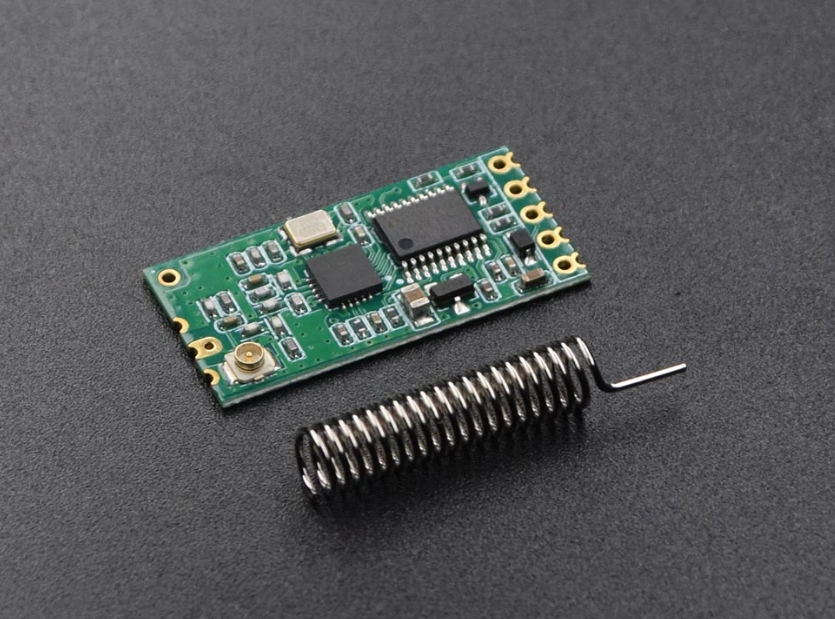
Real World Deployment Examples
Intelligent lighting systems often choose Zigbee. Philips Hue installations demonstrate stable mesh networks in dense indoor environments. These systems prioritize responsiveness and interoperability. In contrast, innovative agriculture projects frequently adopt Sub-GHz RF. Soil moisture sensors deployed across large farms require kilometers of coverage. Trials conducted by agricultural technology providers show Sub-GHz networks maintaining stable links across open fields with minimal infrastructure. These examples highlight how the environment shapes technology choice.
Making the Right Choice with Zigbee Module in Mind
Selecting between Sub-GHz RF and Zigbee Modules depends on application priorities. Zigbee excels in dense networks requiring flexibility and moderate data rates. Sub-GHz RF dominates long-range, low-power outdoor deployments. Engineers should evaluate range requirements, node density, battery expectations, and regulatory constraints early. Hybrid architectures also exist, combining both technologies through gateways. A well-matched wireless choice reduces operational cost and increases system reliability over the years of operation.