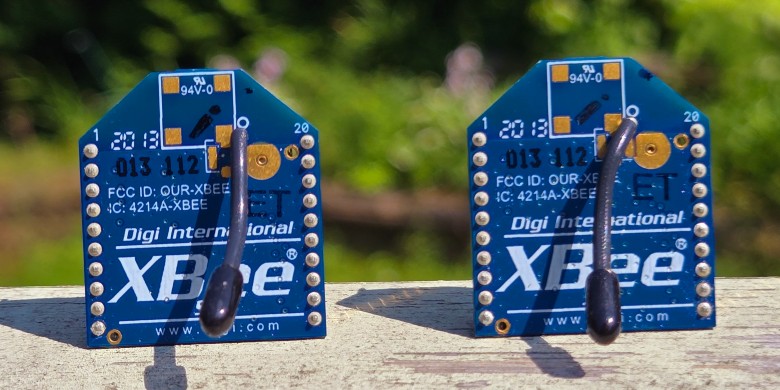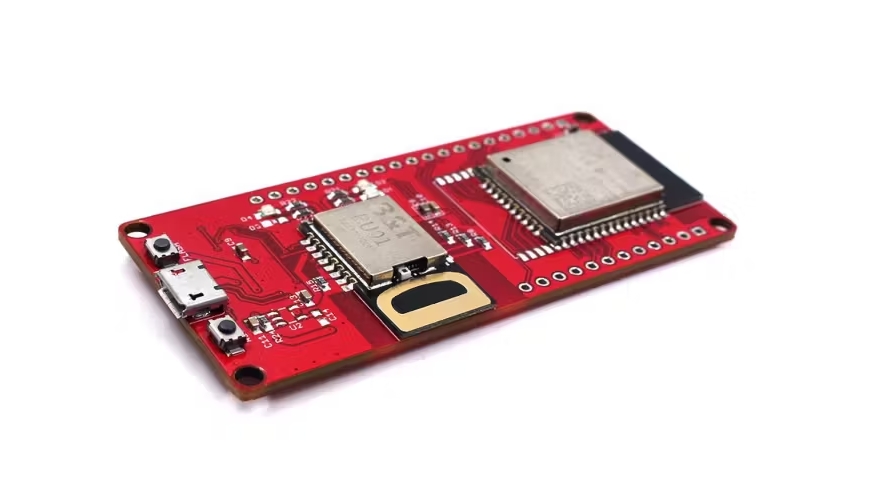
Real-time data transfer demands low latency, predictable performance, and stable wireless communication. Many IoT systems—such as wearable health trackers, industrial sensors, and smart home devices—must deliver data within milliseconds to ensure timely responses. These systems cannot tolerate long delays or inconsistent transmission intervals. Bluetooth technology addresses these requirements with optimized protocols and energy-efficient radios. A Bluetooth Module integrates the radio, baseband processor, and firmware to deliver stable performance in compact devices. Its design helps developers avoid RF layout challenges and shorten deployment time.
Low Latency Through Bluetooth LE Architecture
Bluetooth Low Energy (BLE) forms the foundation of modern real-time applications. BLE reduces latency with short connection intervals, sometimes as low as 7.5 ms, depending on device configurations. This interval represents how often two devices exchange data. Lower values reduce delay and enable more responsive communication. The Bluetooth Module manages these intervals automatically through its firmware stack. BLE also supports connection event extensions, which allow more data to be transferred within a single interval. Developers benefit from predictable timing behavior without having to handle complex radio scheduling manually.
Efficient Data Channels for Continuous Updates
Real-time applications often require continuous data flow. BLE uses dedicated data channels that avoid interference within the crowded 2.4 GHz band. The system hops across 37 data channels according to a defined sequence, reducing the risk of packet loss. When combined with adaptive frequency hopping, a Bluetooth Module can maintain strong performance even in noisy environments. For example, fitness watches transmit heart-rate readings multiple times per second. Independent tests show BLE can deliver a stable throughput of around 1 Mbps with Bluetooth 5, which is sufficient for sensor data, notifications, and lightweight streaming applications.
Bluetooth 5 Enhancements for High-Speed Data
Bluetooth 5 introduced LE 2M PHY, doubling the symbol rate for higher-speed communication. This improvement reduces the transmission time for each packet, thereby indirectly improving real-time responsiveness. Shorter airtime means fewer collisions and lower energy consumption. Many Bluetooth Module products today use the LE 2M PHY to strengthen data pipelines for motion sensors, VR accessories, and interactive peripherals. Bluetooth 5 also introduced extended advertising, allowing devices to broadcast more data with reduced latency. This enables applications such as asset tracking and beacon-based navigation to perform updates more quickly and reliably.
Optimized Power Management for Always-On Data
Real-time devices must communicate continuously while maintaining long battery life. BLE operates with an extremely low duty cycle, meaning the radio stays off most of the time. Bluetooth Modules use integrated sleep modes and hardware timers to optimize energy consumption without compromising timing accuracy. In medical devices, for example, continuous monitoring must operate for days or weeks. Published benchmarks from major chipset vendors show BLE devices consuming less than 10 mA during peak transmission and microamp-level current during sleep. These performance characteristics make real-time monitoring possible on small batteries.
Interference Handling and Reliable Packet Delivery
Real-time systems cannot tolerate frequent packet loss. BLE strengthens reliability through mechanisms such as CRC checking, acknowledgment packets, and retransmission requests. Bluetooth 5.1 and later versions improved direction-finding capabilities using Angle-of-Arrival (AoA) and Angle-of-Departure (AoD) technologies. These features help scanners locate signals more accurately, which benefits indoor positioning and motion systems. Many Bluetooth Module designs integrate high-quality RF components, such as matched-impedance networks and ceramic antennas. This ensures robust signal performance, particularly in environments with Wi-Fi congestion or multiple connected devices.
Real-World Applications That Depend on Real-Time Data
Bluetooth is widely used in applications requiring immediate feedback. In industrial automation, BLE sensors deliver machine-status updates with minimal delay, helping operators detect anomalies early. Major industrial deployments report latency performance within a few milliseconds when using optimized BLE stacks. In consumer electronics, game controllers rely on real-time Bluetooth communication to produce smooth input response. Health devices, such as continuous glucose monitors, send time-sensitive data to mobile phones, ensuring users receive alerts promptly. These examples show how a Bluetooth Module provides consistent real-time behavior across diverse environments.
Why Bluetooth Module Delivers Practical Real-Time Performance
A Bluetooth Module supports real-time data transfer through low-latency architecture, efficient channel usage, energy-optimized firmware, and strong interference resilience. Modern Bluetooth 5 technologies enhance speed and stability, enabling reliable updates across industrial, consumer, and medical applications. Developers adopt Bluetooth Modules to shorten development cycles, avoid RF design risks, and maintain consistent data timing. As IoT ecosystems continue to expand, Bluetooth remains one of the most practical options for real-time wireless communication.